
The Community Around Brian
Hillbilly ElegyThis concluding thread uses Brian’s circumstances to shift the narrative from J.D. Vance’s survival toward the uncertain future of the next vulnerable child.
increasing Bearing strength in each event
 decreasing
Bearing strength in each eventdecreasingA Familiar Young Man
Recognizing an Earlier Self
A quiet meeting
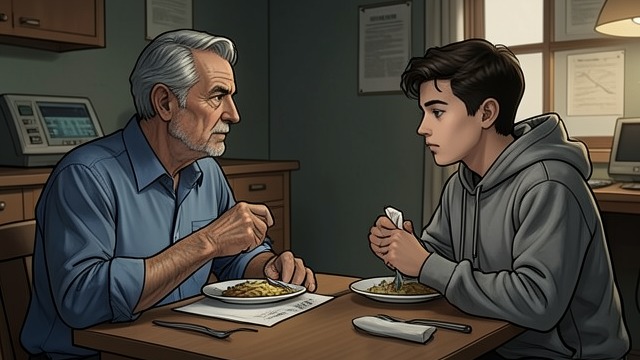
J.D. Vance has lunch with Brian, a young man whose family history resembles his own. He notices that Brian eats quickly and seems uncomfortable asking for more.
A small request
Brian finally asks for extra french fries. J.D. Vance understands that the hesitation is about more than food; asking for help has become difficult for a child accustomed to scarcity.
The meeting turns the book’s argument toward someone whose future remains open but uncertain.
A New Loss
Brian’s Mother Dies
Grief beyond appearances
Brian’s mother dies unexpectedly. Outsiders might assume their distance makes the loss easier, but J.D. Vance recognizes that separation can be a form of survival, not indifference.
Hope persists
People like Brian and J.D. Vance continue to love parents even when they must protect themselves from them. Their connection to family remains emotionally powerful.
The death adds another hardship to a life already shaped by instability.
No Mamaw in the Picture
The Missing Safety Net
Different resources
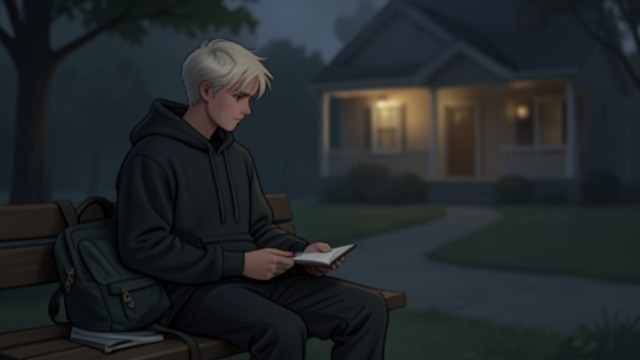
Brian has supportive relatives who can keep him out of foster care, but he does not have a Mamaw or Papaw who can offer the kind of stable refuge J.D. Vance had.
A narrow horizon
He has already experienced multiple childhood traumas and must soon make consequential choices about work and education. The risks are familiar, but the protective relationships are less certain.
His situation makes luck and family support impossible to treat as minor details.
A Community Must Decide
What Brian’s Future Depends On
Influence close at hand
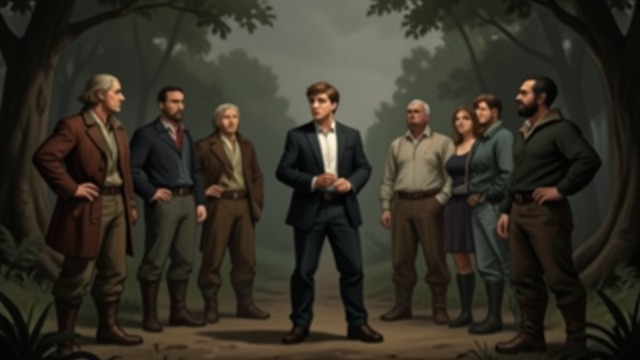
J.D. Vance says Brian’s chances depend on family, neighbors, churches, and mentors who can show him what is possible. No single institution can supply every form of support.
Changing the local story
The community can encourage agency or deepen resentment and withdrawal. Its members must be willing to see how their own actions affect children.
The challenge is collective: whether people will provide the encouragement and examples that once changed J.D. Vance’s life.
Toughness Reconsidered
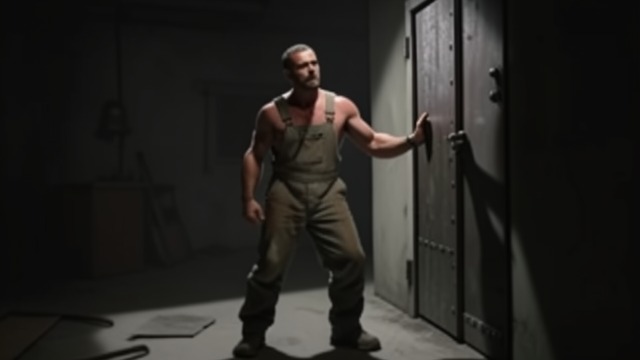
A Different Test of Strength
Familiar forms of toughness
J.D. Vance describes a culture proud of defending family honor and enduring hardship. Those forms of strength are real, but they do not automatically help children heal.
The harder work
He asks whether the community is tough enough to admit that its conduct harms its children and build institutions that keep them engaged with the world. Government can assist, but it cannot do the work on the community’s behalf.
The final appeal turns toughness from a posture of retaliation into a willingness to care and change.
near the end of the book
a few months after their lunch
after Brian’s mother dies
in the closing pages
at the book’s conclusion
